







Car Exhaust System – How to Keep It Efficient and Avoid Costly Repairs
Car Exhaust System – How to Keep It Efficient and Avoid Costly Repairs
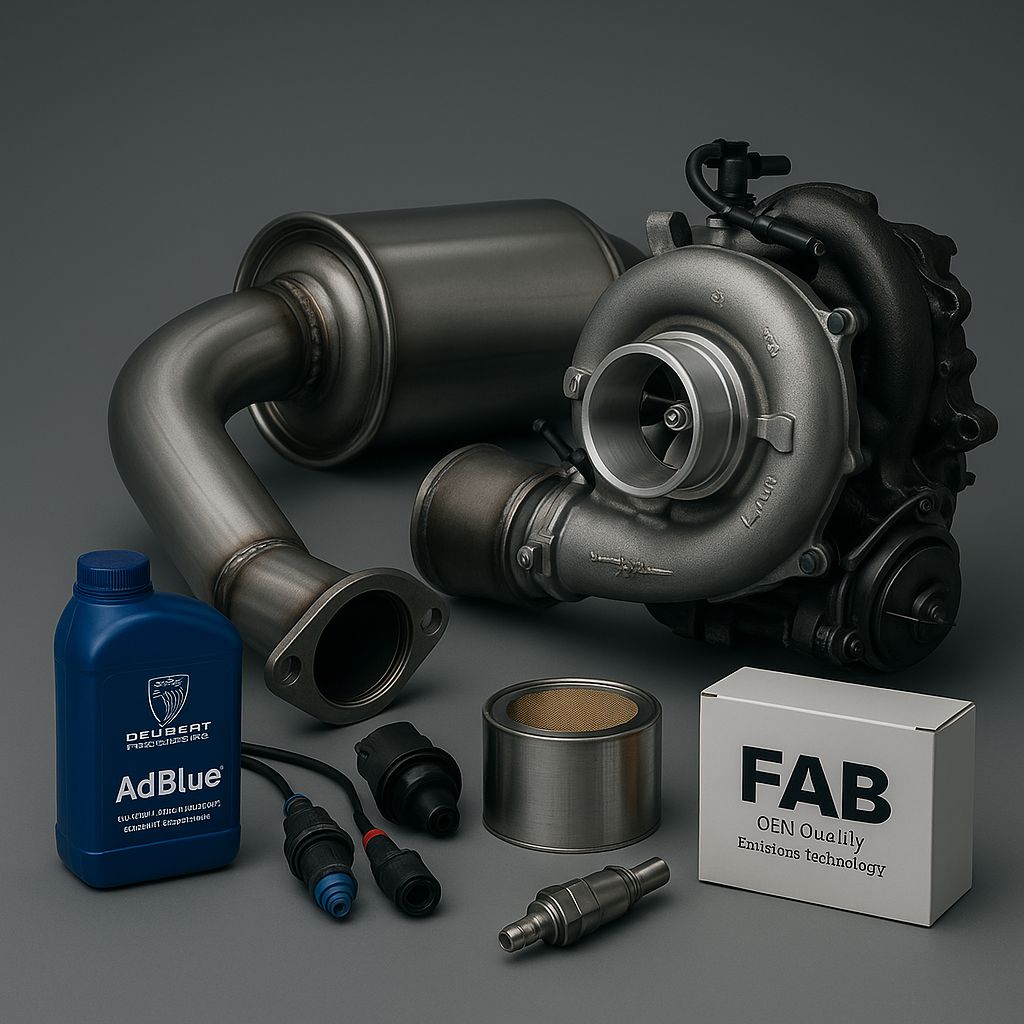
The exhaust system is much more than a pipe and muffler – it is a complex system responsible for removing exhaust gases, reducing noise and treating emissions before they reach the atmosphere. Modern cars use DPF/FAP filters, catalytic converters, turbochargers and AdBlue systems. Each of these components can be expensive to repair, so regular maintenance and a quick response to the first signs of trouble are essential.
Exhaust system leaks – why is tightness so important?
A leaking exhaust system causes more than just noise. It can allow exhaust gases to enter the cabin, which is dangerous to health. A pressure drop in the system can also interfere with oxygen sensor operation and lead to higher fuel consumption.
? Driver tip: check the condition of exhaust gaskets and mounts during every inspection. Corrosion and vibration are the most common causes of cracks.
? It is also worth checking rubber mounts and heat shields. If they fail, they can cause vibration, noise and additional stress on the muffler or catalytic converter.
DPF / FAP particulate filter
Role and importance of the filter
DPF filters (in diesel cars) and FAP filters (in PSA vehicles) trap soot particles from exhaust gases. When they become clogged, the car loses power, fuel consumption increases and the “check engine” light may come on.
How should you care for a DPF/FAP filter?
- regularly allow the filter to regenerate by driving at higher engine speeds,
- use good-quality fuel,
- use proven additives that support regeneration.
? Tip: avoid frequent short trips with a cold engine – this is one of the biggest enemies of DPF/FAP filters.
? In modern cars, the filter works together with differential pressure sensors. A faulty sensor can mimic a clogged filter, so it is worth checking the sensors before replacing the entire DPF.
AdBlue – a modern way to reduce emissions
AdBlue is a special fluid used in SCR systems in diesel vehicles to reduce nitrogen oxide (NOx) emissions. If the fluid runs out, the engine may enter limp mode or, in some vehicles, may not restart.
? Driver tip: top up AdBlue only with fluid that meets the ISO 22241 standard. A poor-quality substitute can damage the AdBlue pump and injector, resulting in an expensive repair.
? The SCR system also requires regular inspection of the AdBlue injector. Urea crystals can block it, causing faults and reducing system efficiency.
Catalytic converter – the guardian of cleaner exhaust gases
A catalytic converter reduces harmful chemical compounds in exhaust gases. Wear may be indicated by a loss of power, an illuminated engine warning light and a characteristic rattling noise from the exhaust system.
? Buying tip: choose catalytic converters from reputable manufacturers. The cheapest replacements can wear out quickly and may not meet emissions standards.
? The catalytic converter works together with oxygen sensors. A faulty sensor can cause incorrect air-fuel mixture control and accelerate catalytic converter damage or clogging.
Turbocharger – power driven by exhaust gases
A turbocharger uses exhaust-gas energy to increase engine power. Failure can cause loss of power, excessive smoke and increased oil consumption.
? Driver tip: change the engine oil regularly and do not switch the engine off immediately after demanding driving. Let it idle for 1–2 minutes so the turbocharger can cool down.
? It is also important to keep the EGR valve in good condition. A clogged EGR can increase the load on the turbocharger and raise exhaust-system temperatures.
Most common symptoms of exhaust system faults
- engine running louder than usual,
- loss of power and performance,
- black or white smoke from the exhaust,
- exhaust smell inside the cabin,
- an illuminated “check engine” light.
? Tip: if you notice smoke or a loss of power, react quickly. Driving with a faulty exhaust system can also damage the turbocharger or catalytic converter.
? A distinct metallic knocking sound from underneath the car may indicate a damaged exhaust mount or loose heat shield. It may be a minor fault, but it should not be ignored.
How to care for the exhaust system every day
- Regularly inspect the muffler and pipes, especially in winter when road salt accelerates corrosion.
- Use high-quality fuel to help protect the DPF and catalytic converter.
- Use only proven fuel additives and suitable AdBlue fluid.
- Do not ignore an illuminated engine warning light – it can be an early sign of an exhaust-system fault.
? Practical tip: if you park outdoors, inspect the exhaust from underneath from time to time. Early corrosion is easier to deal with before holes appear and the entire muffler needs replacing.
? Remember the centre and rear mufflers as well. Wear not only increases noise but can also affect performance and fuel consumption.
Summary
An efficient exhaust system is essential not only for driving comfort but also for environmental protection. Regular leak checks, proper DPF/FAP care, use of the correct AdBlue fluid, protection of the catalytic converter and correct turbocharger operation can help prevent costly repairs and extend the life of the car.
Remember – proven car parts and a quick response to the first symptoms of a fault are among the best investments in trouble-free driving.